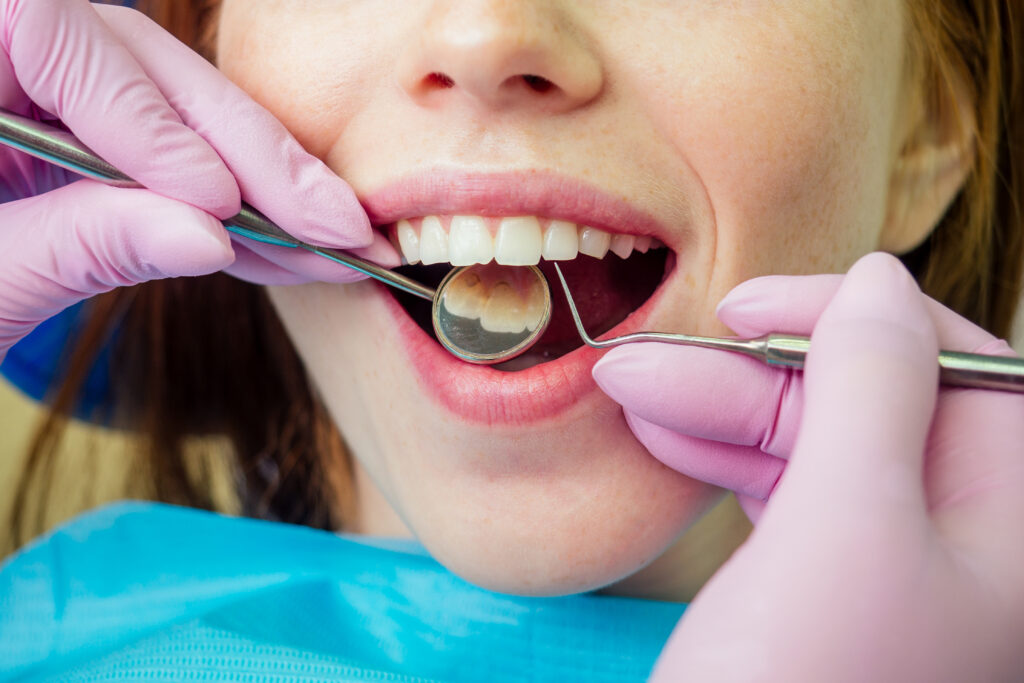

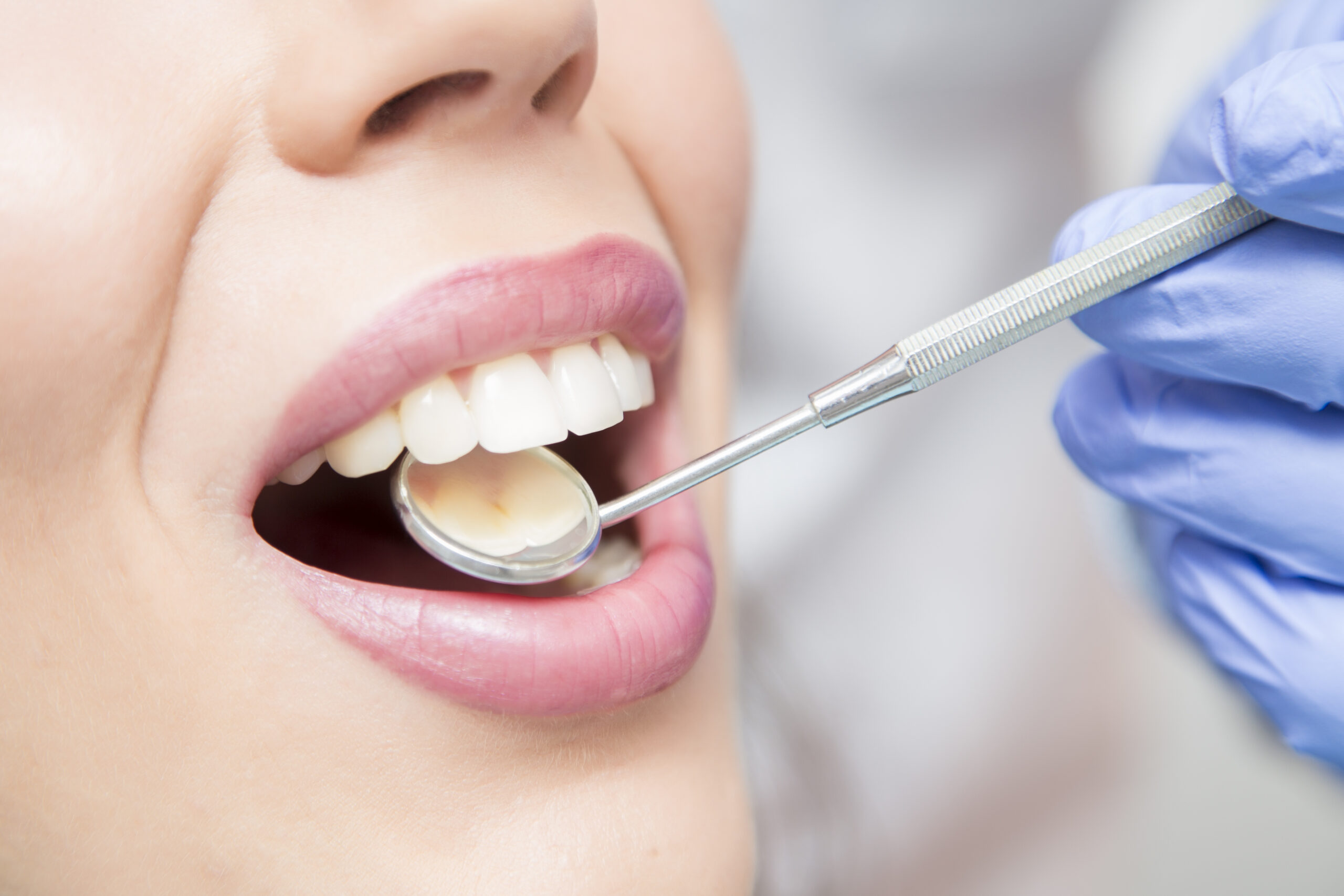


FILLINGS & CROWNS

Restorative dental treatments designed to repair damaged teeth, restore function, and support long-term oral health.

Overview

Tooth decay, fractures, and structural wear can compromise the strength and function of natural teeth if left untreated. Early, appropriate restoration helps preserve tooth structure, prevent further damage, and maintain comfortable chewing and speech.


Fillings & Crowns at Esmée are planned using conservative, evidence-based principles. Each restoration is selected based on the extent of damage, tooth position, bite forces, and long-term prognosis—ensuring durability while respecting natural tooth integrity.

Key Benefits

  • Restoration of tooth strength and function
  • Prevention of further decay or structural breakdown
  • Improved comfort during chewing and speaking
  • Preservation of natural tooth structure where possible
  • Aesthetic integration with surrounding teeth
  • Long-term oral health support

Who Is This For?

  • Patients with cavities or tooth decay
  • Teeth weakened by fractures or wear
  • Teeth following root canal treatment
  • Individuals experiencing sensitivity or pain due to damage
  • Patients seeking functional restoration with aesthetic consideration

Who Is This For?

  • Patients with cavities or tooth decay
  • Teeth weakened by fractures or wear
  • Teeth following root canal treatment
  • Individuals experiencing sensitivity or pain due to damage
  • Patients seeking functional restoration with aesthetic consideration

What Happens During Treatment?

Clinical Assessment & Diagnosis

The dentist evaluates the affected tooth using clinical examination and, where indicated, diagnostic imaging to determine the extent of damage.

Treatment Planning

Based on findings, the dentist recommends either a filling or a crown. The choice depends on how much healthy tooth structure remains and the functional demands on the tooth.

Filling Placement

For smaller areas of decay or damage, the affected portion is removed and replaced with a suitable restorative material to restore shape and function.

Crown Preparation & Placement

For more extensive damage, the tooth is prepared to receive a crown. A custom-made crown is then fitted to fully cover and protect the tooth.

Bite & Comfort Check

The restoration is adjusted to ensure a comfortable bite and proper alignment with surrounding teeth.


Expected Results

  • Relief from discomfort or sensitivity
  • Restored ability to chew comfortably
  • Improved tooth strength and stability
  • Natural-looking restoration
  • Reduced risk of further tooth damage

Aftercare & Continuation

  • Regular dental check-ups and cleanings
  • Good daily oral hygiene practices
  • Avoidance of excessive force on restored teeth
  • Monitoring restorations for long-term performance

Frequently Asked Questions

  • What is the difference between a filling and a crown?
    A filling repairs small areas of damage, while a crown covers and protects a tooth with more extensive structural loss.
  • How long do fillings and crowns last?
    Longevity varies based on material, oral hygiene, and bite forces. Regular reviews help monitor performance.
  • Are these treatments painful?
    Procedures are performed with appropriate comfort measures. Mild sensitivity may occur temporarily.
  • Can restorations look natural?
    Yes. Materials are selected to blend with natural teeth wherever possible.

Restore Strength and Comfort

Protect and preserve your teeth with restorative treatments planned for long-term oral health.