FUT (FOLLICULAR UNIT TRANSPLANTATION)

A clinically established surgical hair restoration technique designed to maximise graft yield while preserving long-term donor integrity.

Overview

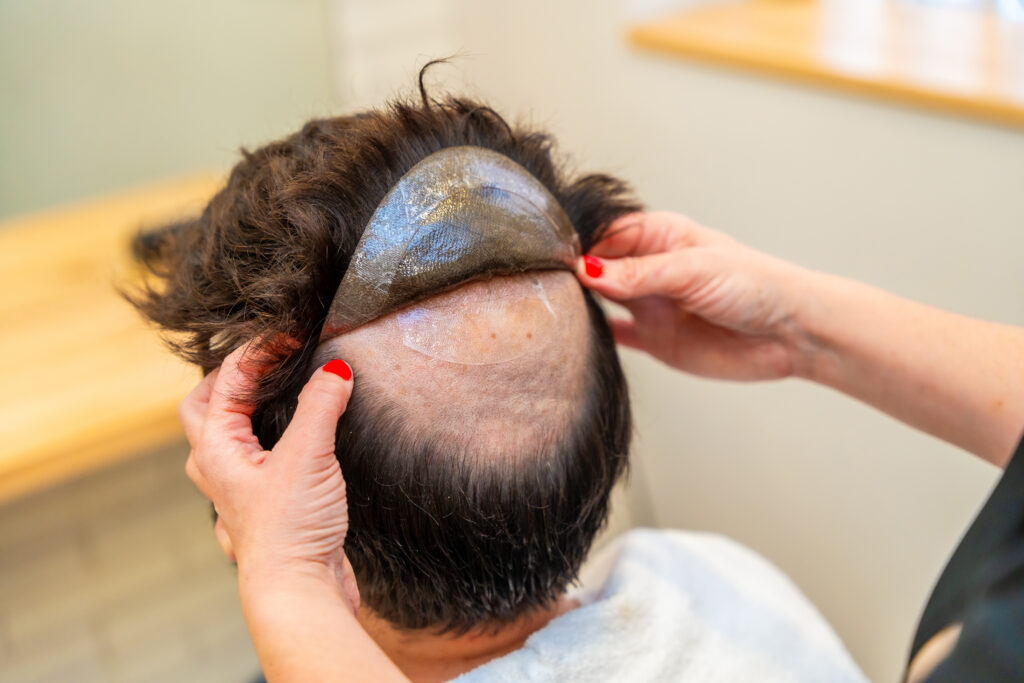
Follicular Unit Transplantation (FUT) is a surgical hair transplant technique in which a thin strip of scalp is harvested from the donor area, typically from the back of the head, and carefully dissected into individual follicular units for implantation.

FUT at Esmée is offered as a precision-led, medically guided procedure for selected candidates where donor characteristics, hair loss pattern, and long-term planning make this approach appropriate. FUT is not a legacy technique but a valid, evidence-based option when used selectively and ethically.

Key Benefits

  • Higher graft yield in a single session for suitable candidates
  • Preservation of surrounding donor follicles
  • Consistent follicular unit quality
  • Effective for advanced or extensive hair loss
  • Allows strategic donor management for long-term planning
  • Clinically predictable outcomes when properly indicated

Who Is This For?

  • Individuals with advanced hair loss requiring higher graft numbers
  • Patients with good scalp laxity
  • Candidates prioritising graft yield over minimal scarring
  • Patients planning staged or long-term hair restoration
  • Individuals suitable for linear scar management

What Happens During the Treatment?

Pre-Assessment & Surgical Planning

Donor area density, scalp laxity, and hair loss progression are assessed. Hairline and density planning are mapped conservatively.

Donor Strip Harvesting

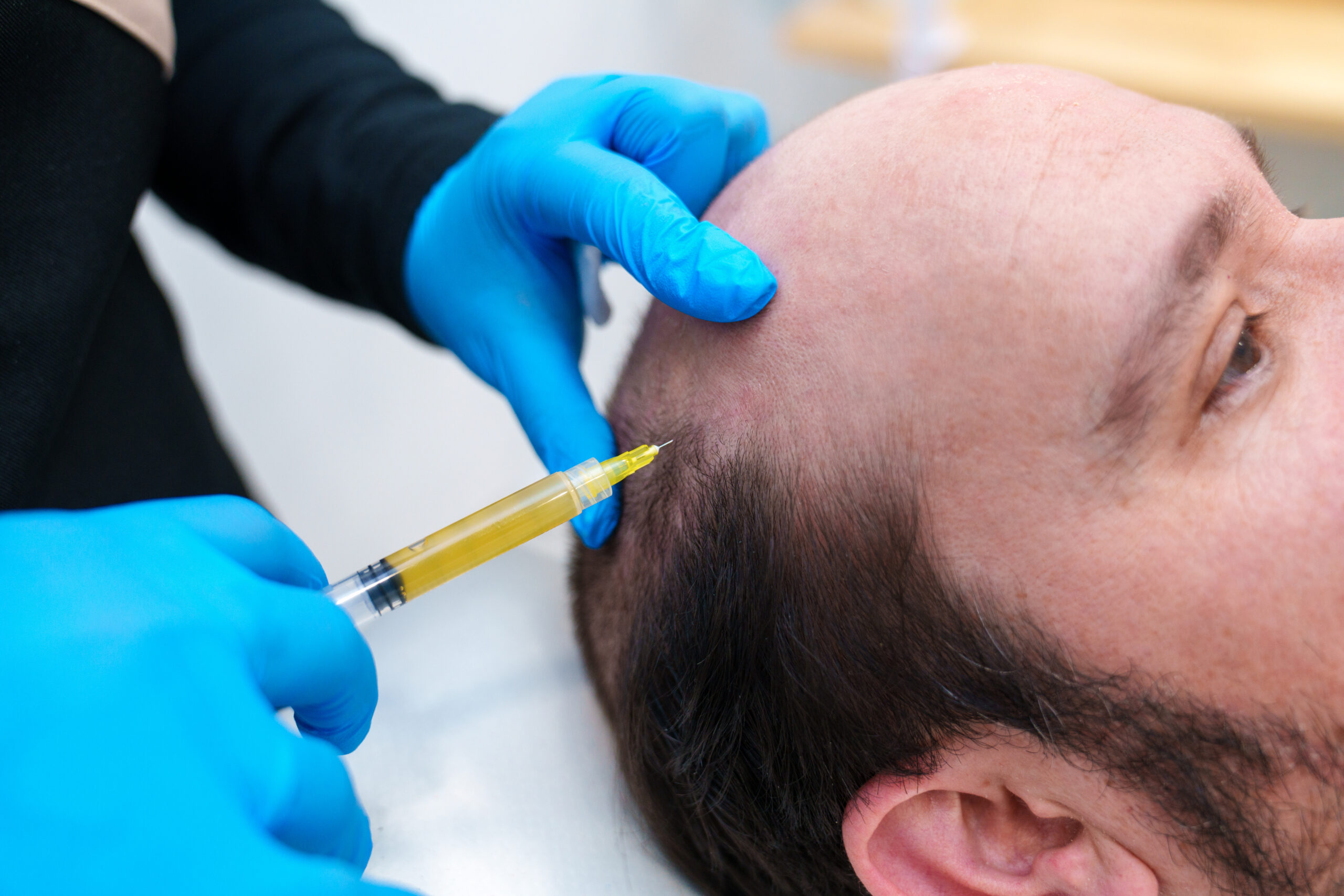
A narrow strip of scalp is surgically removed from the donor area under controlled conditions.

Follicular Unit Dissection

The harvested strip is meticulously dissected into individual follicular units under magnification.
Graft Implantation

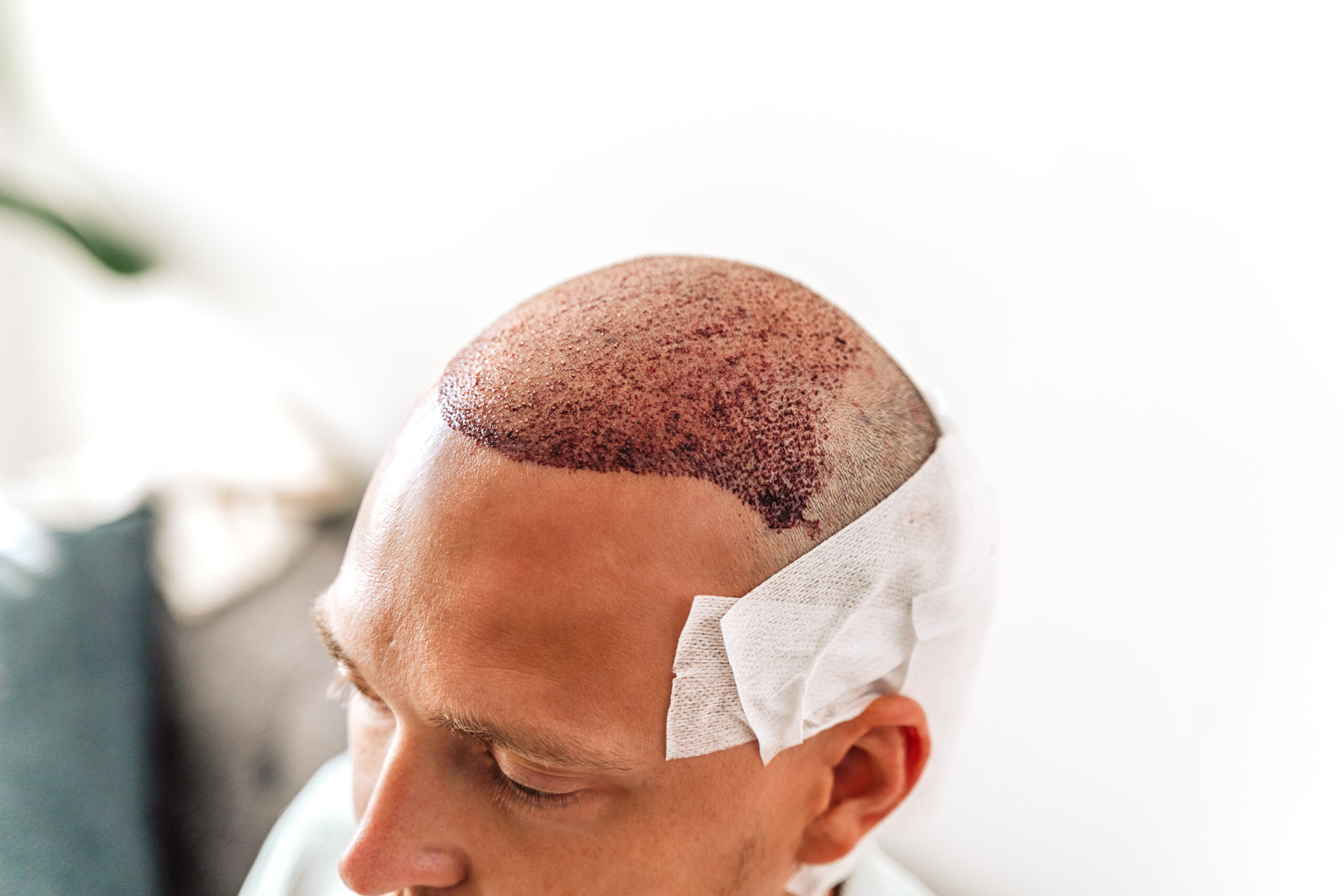
Prepared grafts are implanted into the recipient area following natural hair direction and density planning.

Closure & Immediate Review

The donor area is closed using refined suturing techniques, and graft placement is reviewed.

Expected Results

  • Gradual hair growth over several months
  • Natural-looking density once maturation occurs
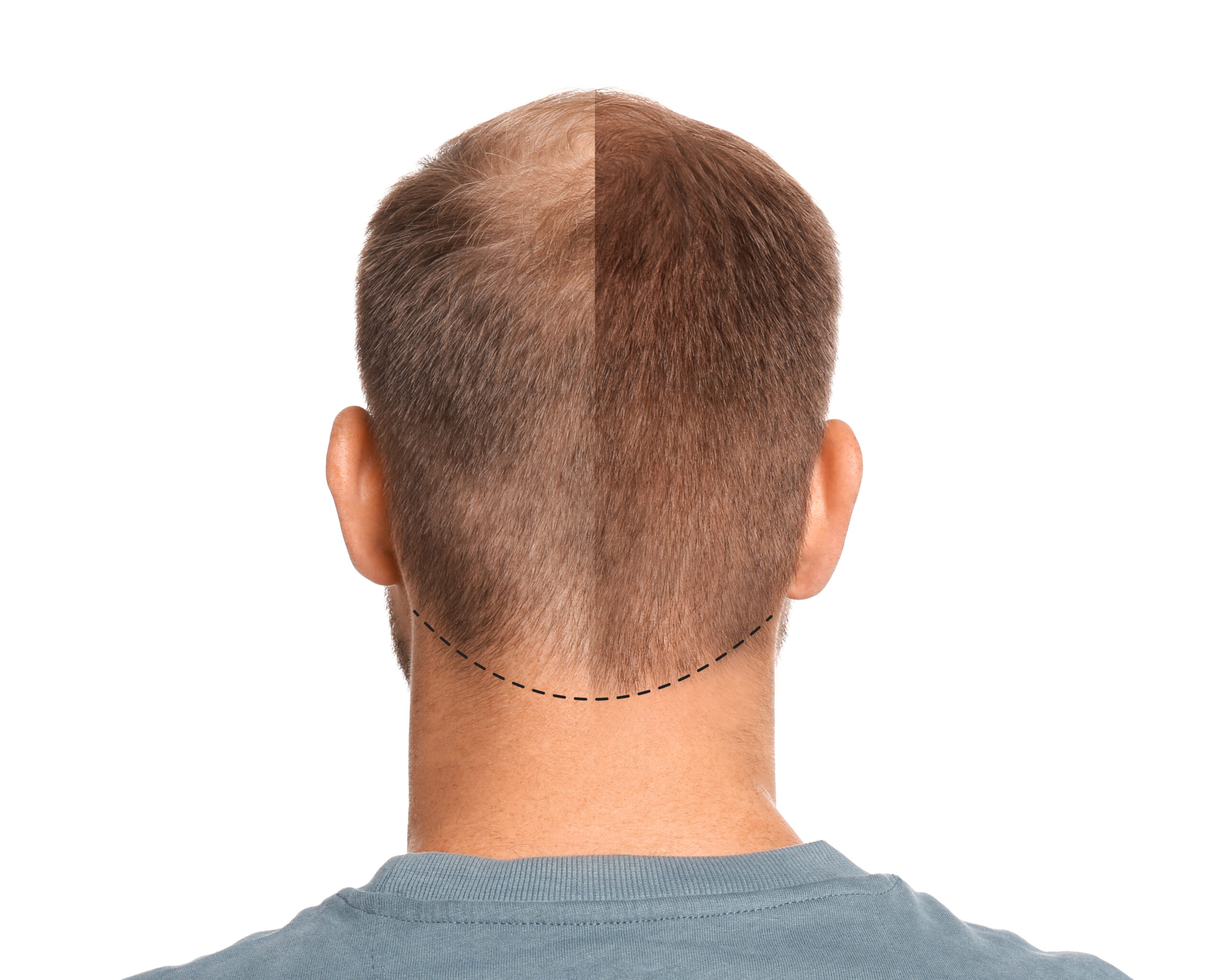
  • Efficient coverage in areas of significant thinning
  • Stable long-term results with proper planning

Aftercare & Continuation

  • Specific wound care instructions for the donor area
  • Temporary activity restrictions during healing
  • Follow-up reviews to monitor progress
  • Long-term donor preservation strategies

Frequently Asked Questions

  • Does FUT leave a scar?
    Yes. FUT results in a linear scar that is typically concealed by surrounding hair.
  • Is FUT outdated?
    No. FUT remains a valuable option when clinically appropriate.
  • Is recovery longer than FUE?
    Healing may take slightly longer due to sutures, but recovery is generally well managed.
  • Can FUT and FUE be combined?
    In some cases, both techniques may be used strategically over time.

Plan Hair Restoration with Precision

Understand whether FUT is the right approach for your long-term hair restoration goals.