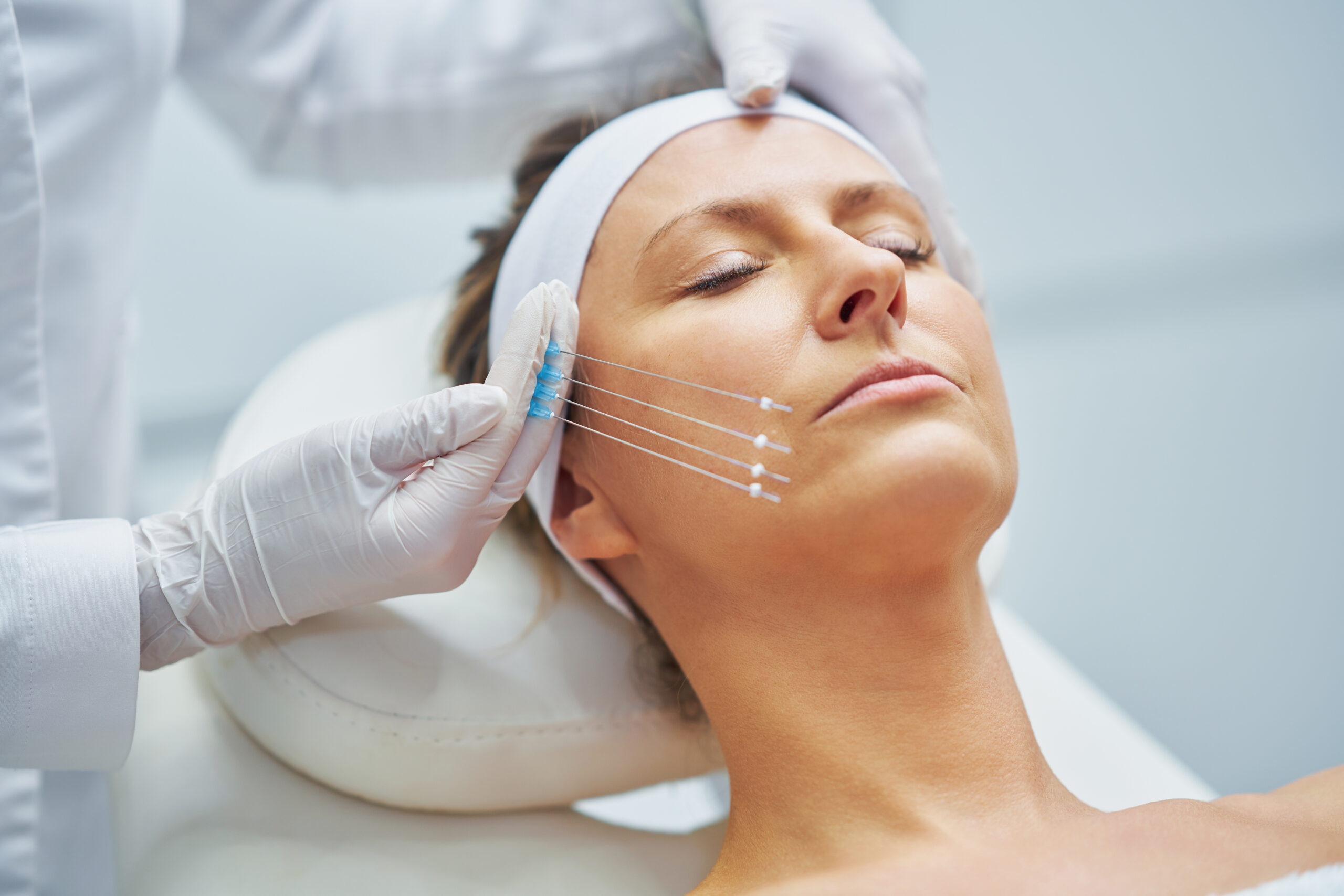

THREAD LIFTING (THREADS)

A minimally invasive, clinically guided treatment designed to support skin lifting, contour refinement, and collagen stimulation while preserving natural facial movement.

Overview

Thread treatments are minimally invasive procedures designed to support facial lifting and contour refinement without surgical intervention.

At Esmée, threads are classified as mechanical support and collagen-stimulation treatments. They may be used to reposition tissue, enhance definition, and encourage gradual collagen response over time. Suitability is determined by skin laxity, facial structure, and desired outcome, with careful attention to safety, placement technique, and long-term tissue response.

Key Principles of Our Approach

  • Careful patient selection and suitability assessment
  • Conservative lifting for natural outcomes
  • Anatomically informed thread placement
  • Focus on collagen stimulation as well as support
  • Avoidance of overtightening or overcorrection
  • Emphasis on safety, sterility, and aftercare

Who This Service Is For

  • Individuals experiencing early skin laxity
  • Patients seeking non-surgical facial support
  • Those looking for subtle contour refinement
  • Individuals not ready or suitable for surgery
  • Patients willing to accept gradual, natural improvement

What Happens During the Process?

Clinical Assessment & Consultation

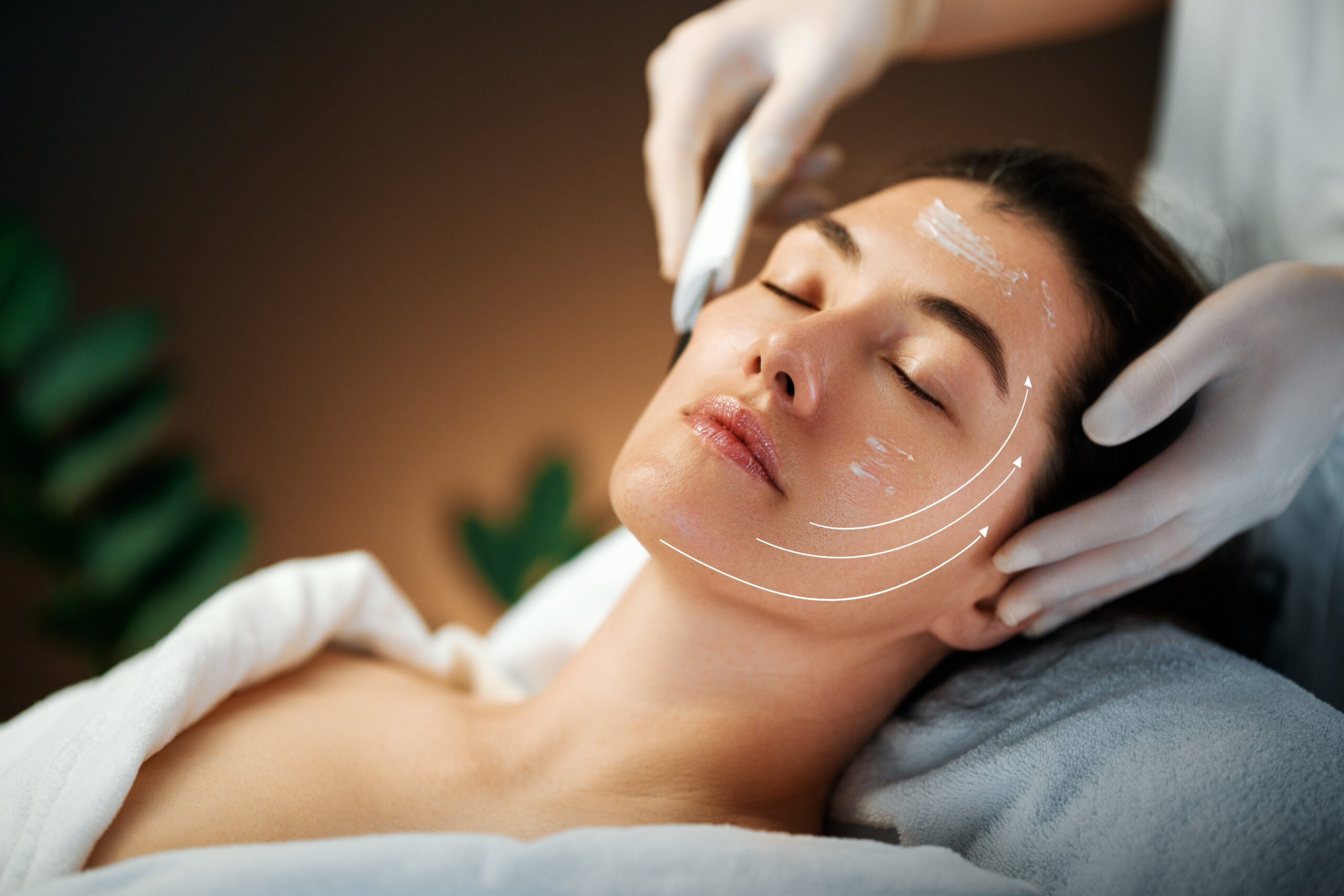
Based on assessment, the suitable thread type and placement areas are selected, lifting direction and support points are precisely mapped, and the extent of treatment is planned conservatively. Aftercare requirements and recovery expectations are clearly explained to ensure informed preparation.

Personalised Treatment Planning

Based on assessment, the suitable thread type and placement areas are selected, lifting direction and support points are precisely mapped, and the extent of treatment is planned conservatively. Aftercare requirements and recovery expectations are clearly explained to ensure informed preparation.

Thread Placement Procedure

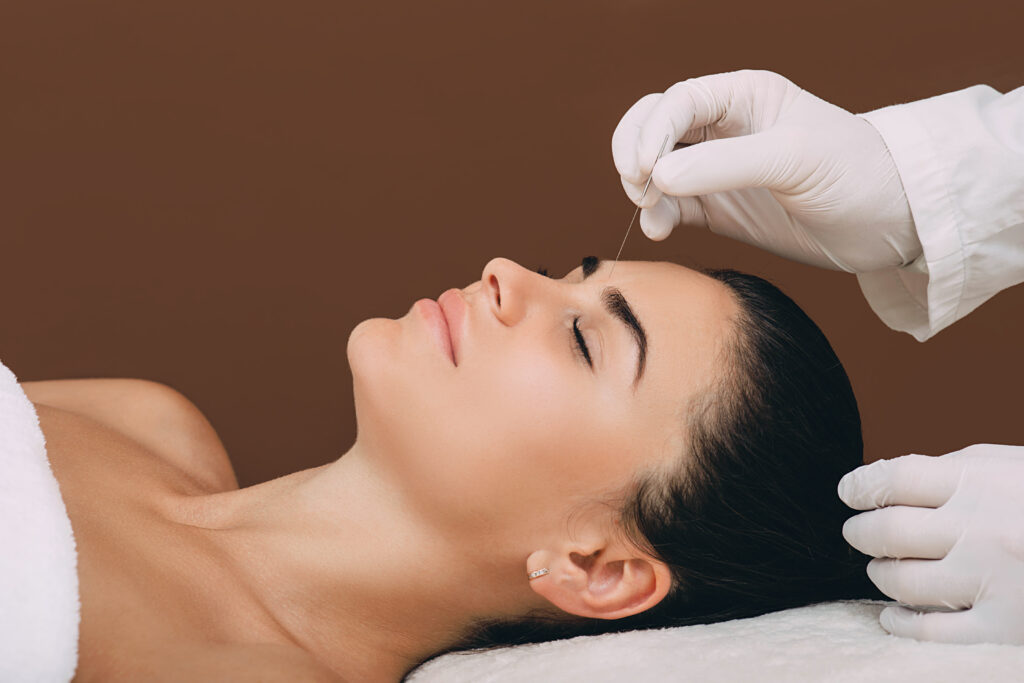
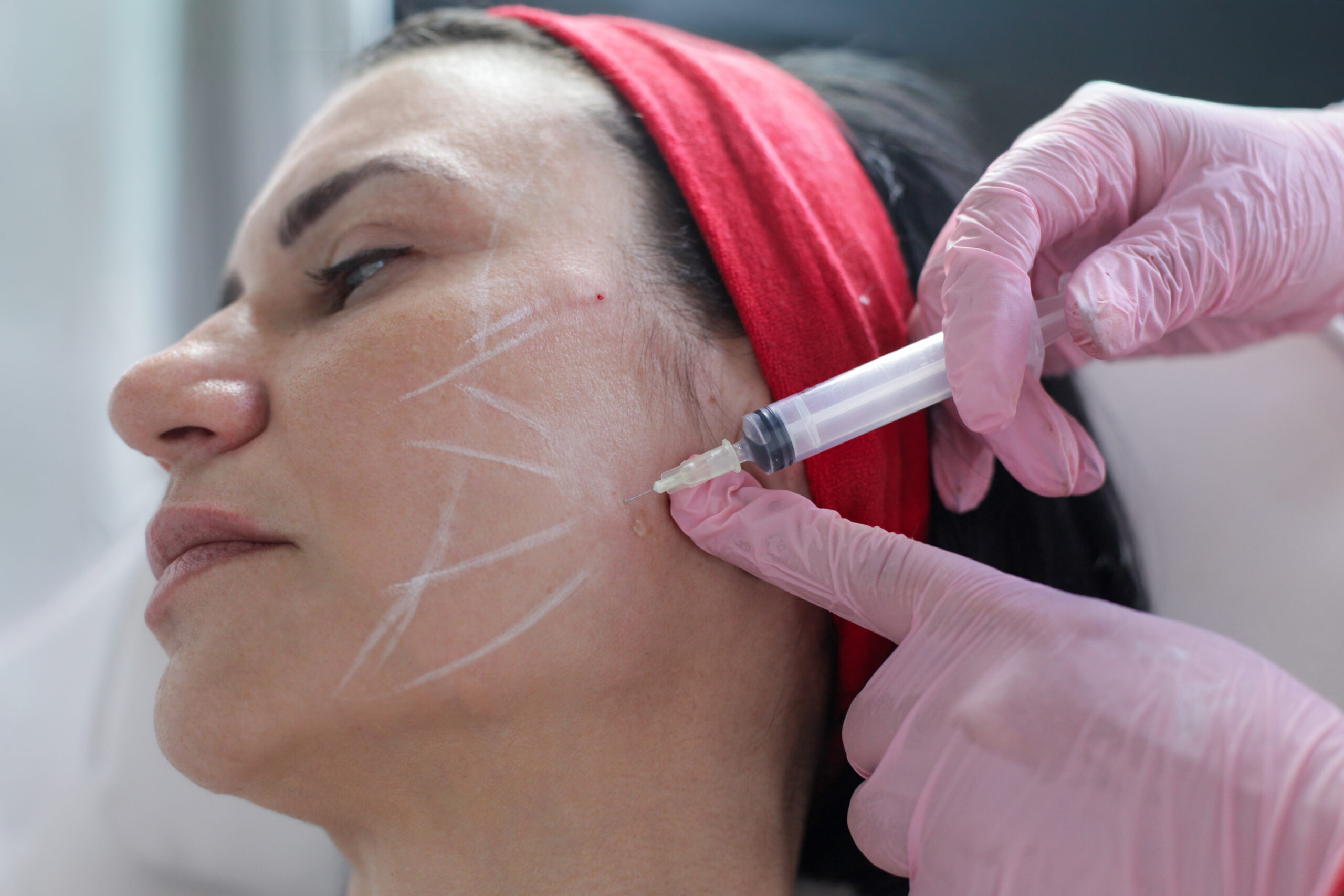
During the procedure, local anaesthesia may be used as needed, and threads are placed using sterile, guided techniques with care taken to minimise trauma and discomfort. The duration varies depending on the treatment area. Mild swelling, tenderness, or bruising may occur temporarily.

Recovery & Aftercare

Post-procedure care includes guidance on modifying activities, precautions around facial movements, and clear instructions for skin care and hygiene. Follow-up review appointments are scheduled to assess healing and treatment response, and most patients are able to return to normal activities within a few days.

Concerns Commonly Addressed

Thread treatments may support improvement in mild to moderate skin laxity, early facial sagging, loss of jawline definition, mid-face descent, neck skin laxity, and early signs of ageing where surgery is not indicated. Threads are not suitable for advanced skin laxity or as a substitute for surgical procedures.
Expected Outcomes

  • Subtle lifting and improved facial support
  • Gradual improvement in skin firmness
  • Enhanced contour definition
  • Ongoing collagen stimulation over time

Aftercare & Continuation

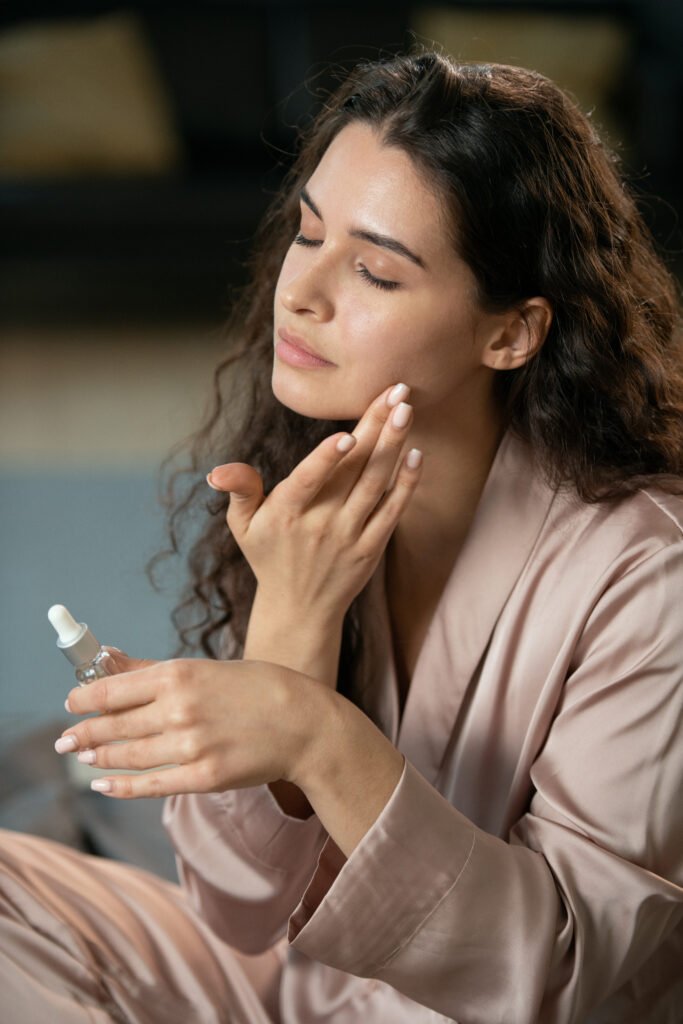
  • Sleep elevated; ice 10-15 min hourly first 24 hours.
  • No exercise, alcohol, blood thinners, facial pressure 1 week.
  • Gentle cleansing only; avoid makeup, heat for 5 days.
  • Follow-up day 7; results mature 3-6 months.

Frequently Asked Questions

  • Are thread treatments permanent?
    No. Threads dissolve over time, but collagen stimulation may provide longer-lasting support.
  • Is this a replacement for surgery?
    This varies by skin concern and treatment type; some patients require multiple sessions.
  • Is there downtime?
    No. Threads are suitable only for selected cases of mild to moderate laxity.
  • How long do results last?
    Results vary but typically last several months to over a year depending on thread type and skin response.
  • Is downtime required?
    Downtime is usually minimal, though short-term swelling or tenderness is common.

Restore Support, Preserve Expression

Explore conservative, clinically guided thread treatments.