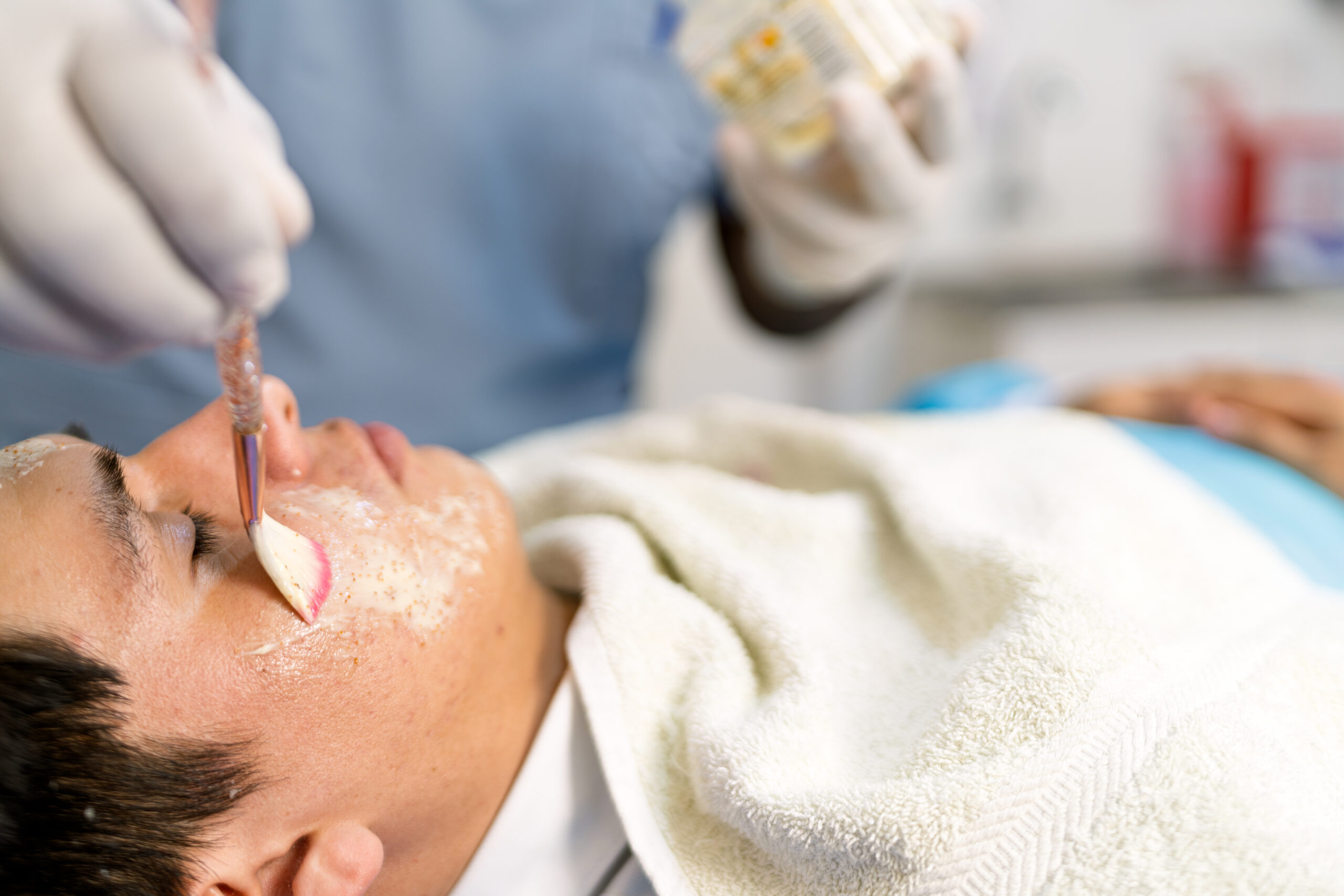

FACIAL SCAR MANAGEMENT

A clinically guided approach to improving the appearance of facial scars through assessment-led, evidence-informed skin restoration strategies.

Overview

Facial scars may result from acne, injury, surgery, or inflammatory skin conditions and can vary significantly in depth, texture, and pigmentation.

Scar management at Esmée may involve a tailored combination of resurfacing treatments, pigment-aware protocols, and regenerative support, with selection guided by scar type, skin response, and healing capacity. The goal is to improve texture and visual integration with surrounding skin while prioritising safety and realistic expectations.

Key Principles of Our Approach

  • Detailed scar assessment before treatment
  • Classification-driven treatment selection
  • Progressive improvement over aggressive correction
  • Preservation of skin barrier and healing capacity
  • Realistic expectation-setting and consent
  • Long-term skin health focus

Who This Service Is For

  • Individuals with visible facial scarring
  • Patients seeking improvement in skin texture and tone
  • Those experiencing long-standing or healed scars
  • Individuals willing to follow staged treatment plans
  • Patients prioritising natural, gradual improvement

What Happens During the Process?

Scar Assessment & Consultation

Based on assessment, appropriate scar-management modalities are selected, treatments are staged to protect skin integrity, and combination approaches may be considered when beneficial. Downtime, risks, and recovery expectations are explained clearly. Plans are adjusted as skin response is observed.

Personalised Treatment Planning

Based on assessment, appropriate scar-management modalities are selected, treatments are staged to protect skin integrity, and combination approaches may be considered when beneficial. Downtime, risks, and recovery expectations are explained clearly. Plans are adjusted as skin response is observed.

Treatment Phase

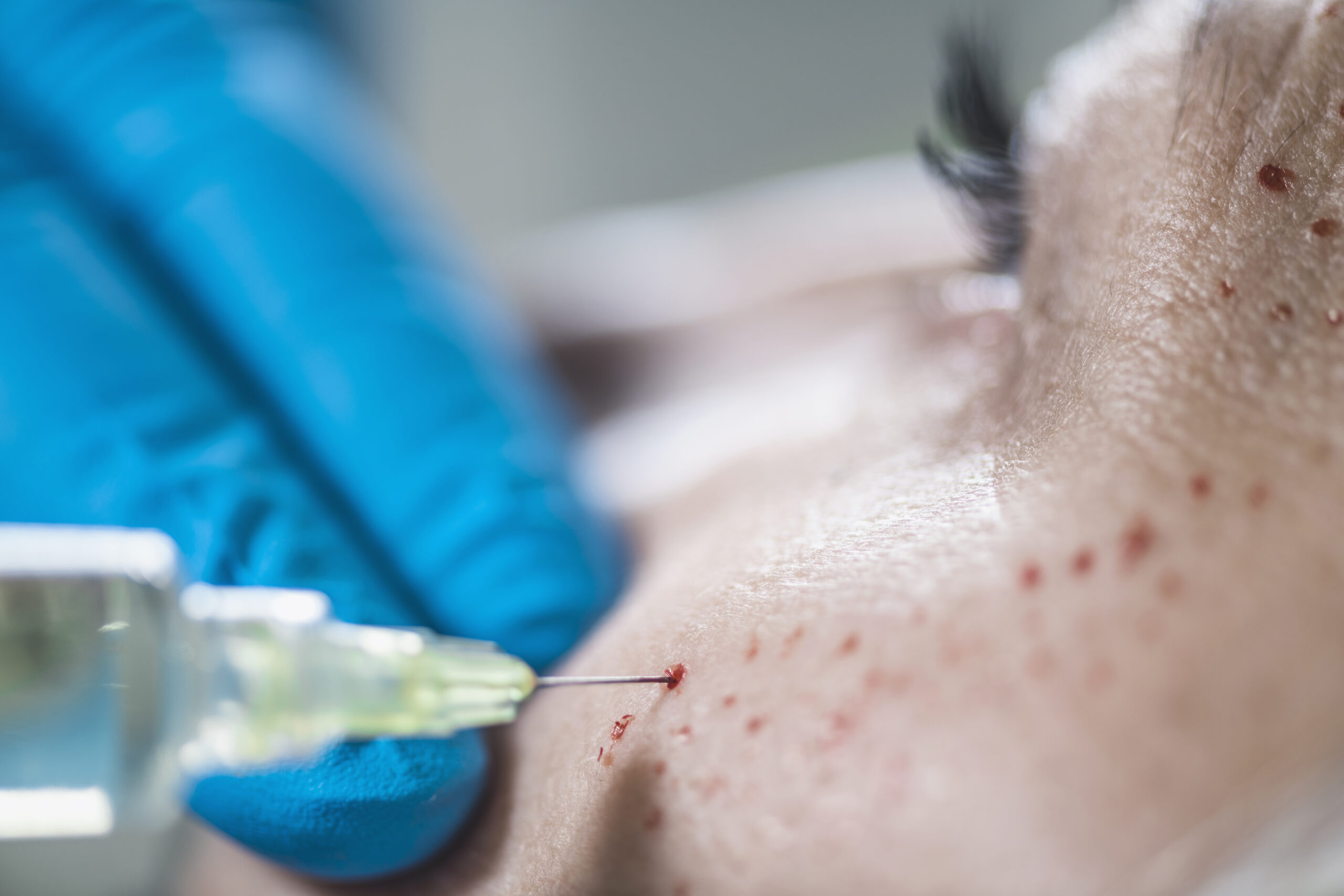
Depending on the plan, care may involve skin resurfacing or texture-improving techniques, collagen-stimulating interventions, pigmentation-balancing strategies where required, and medical-grade skincare guidance. All treatments follow conservative clinical protocols.

Aftercare & Skin Recovery

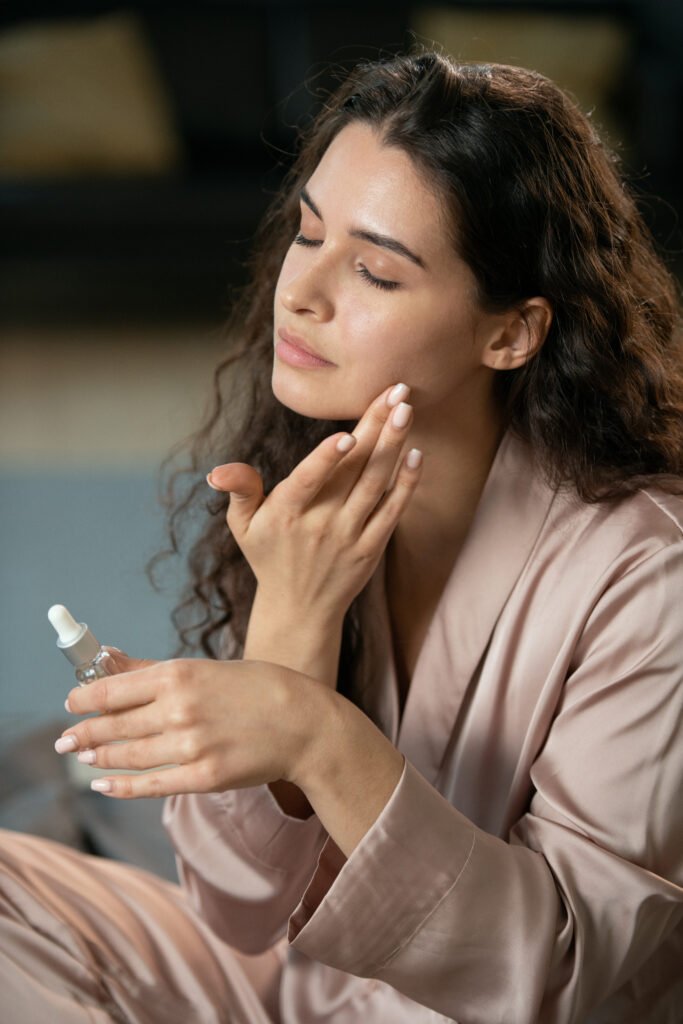
Aftercare includes barrier repair and calming skin routines, sun protection and pigment control guidance, and scheduled reviews to monitor progress. Adjustments are made based on healing and response. Healing timelines vary depending on treatment depth and skin type.

Types of Facial Scars Commonly Addressed

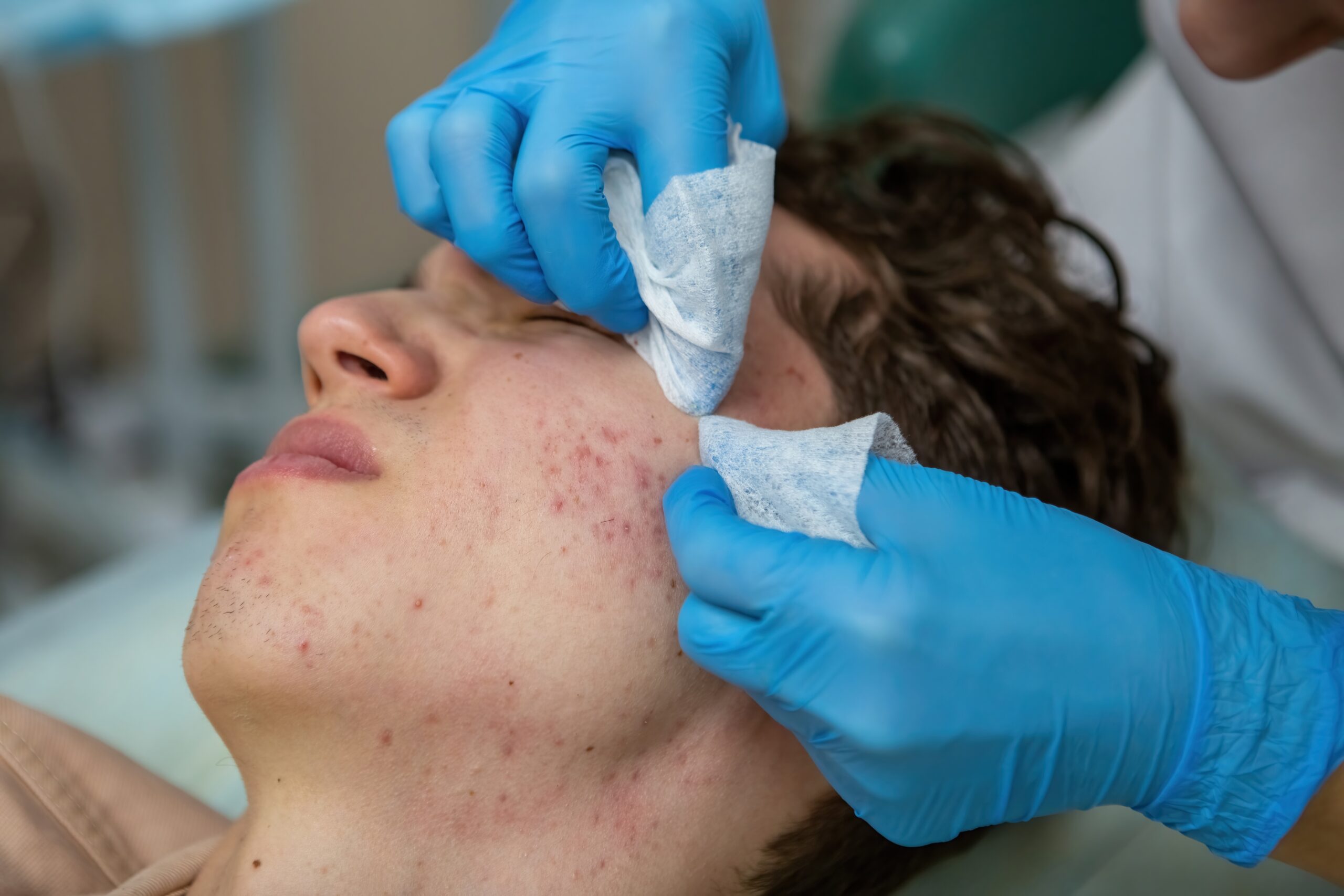
Facial scar management may be considered for acne-related scars (atrophic or textural), post-surgical facial scars, trauma or injury-related scars, post-inflammatory skin changes, and uneven skin texture following wounds. Each scar type is assessed individually, as different scars respond to different treatments.
Expected Outcomes

  • Noticeable reduction in excessive facial sweating
  • Improved daily comfort and confidence
  • Reduced skin irritation or moisture-related issues
  • Better tolerance of social and professional environments

Aftercare & Continuation

  • Ice packs 10-15 minutes hourly for first 24 hours.
  • No lying flat, exercise, alcohol, or blood thinners for 48 hours.
  • Skip makeup, retinoids, exfoliants; gentle cleanser only.
  • Review at 2 weeks; repeat every 6-18 months.

Frequently Asked Questions

  • Can facial scars be completely removed?
    No. Scars can often be improved significantly, but complete removal is not always possible.
  • How many sessions are needed?
    This depends on scar type, severity, and skin response.
  • Is downtime required?
    Downtime varies depending on treatment intensity.
  • Can all skin types be treated?
    Yes, but treatment plans are adapted carefully for different skin types.

Improve Skin Texture with Clinical Precision

Begin a structured, ethically guided approach to facial scar management.