


MELASMA & PIGMENTATION MANAGEMENT

A clinically guided, long-term approach to managing pigmentation disorders through diagnosis-led, evidence-informed skin care strategies.

Overview

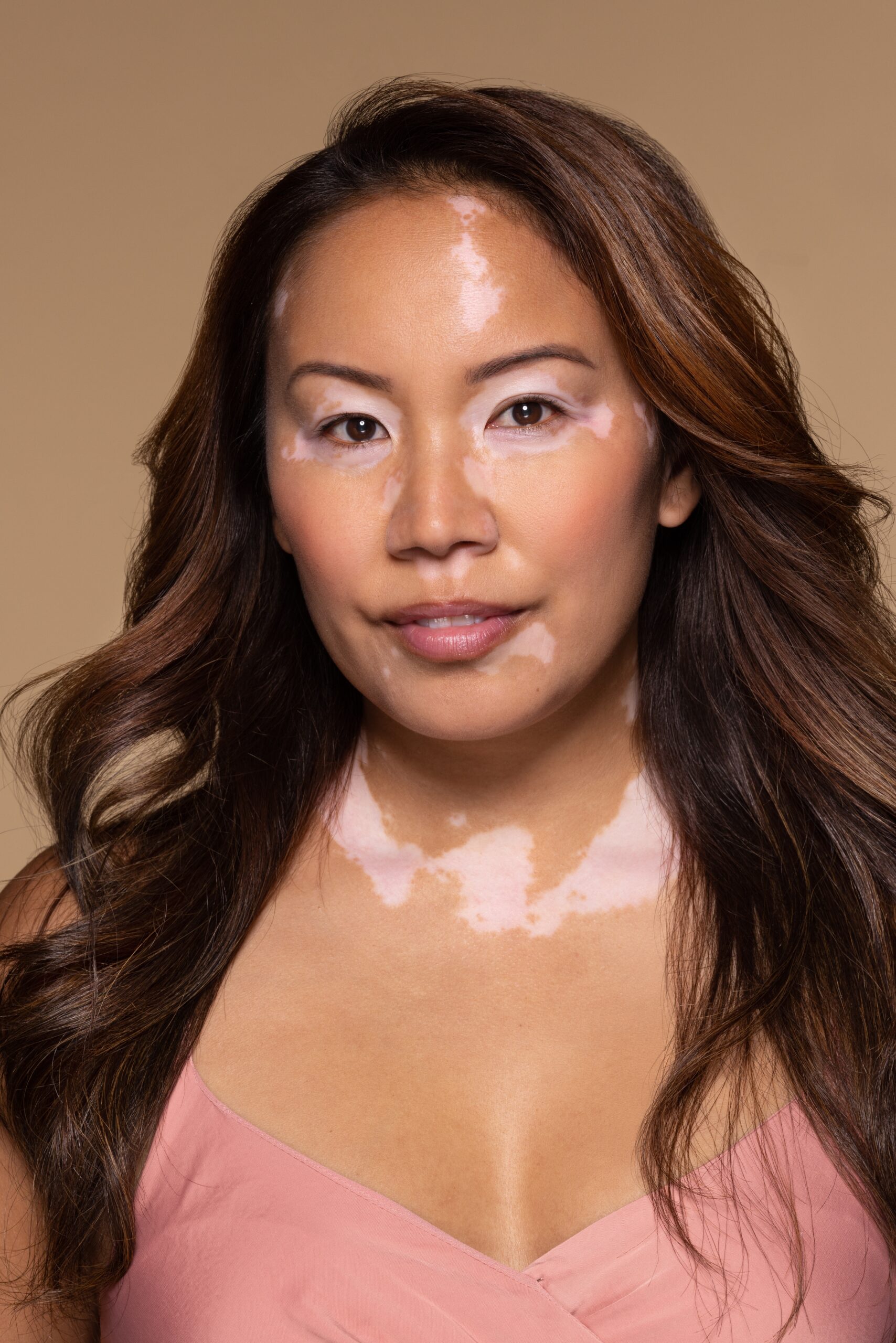
Melasma and pigmentation disorders result from excess melanin production triggered by hormonal factors, sun exposure, inflammation, and genetic predisposition.

Management at Esmée follows a layered medical approach and may include Pigment Control Peels for stubborn discolouration, Resurfacing Peels to improve uneven tone and surface renewal, and pigment-aware energy-based treatments where suitable. Treatment planning prioritises skin barrier protection, rebound-risk reduction, and long-term control rather than aggressive short-term clearance.

Key Principles of Our Approach

  • Diagnosis before treatment initiation
  • Identification of pigmentation type and depth
  • Strict photoprotection and barrier repair focus
  • Gradual pigment modulation, not aggressive stripping
  • Long-term management rather than quick fixes
  • Ethical counselling around recurrence risk

Who This Service Is For

  • Individuals with persistent or recurrent pigmentation
  • Patients experiencing pigment changes due to hormonal factors
  • Those with sun-related skin discolouration
  • Individuals seeking structured, medically guided care
  • Patients willing to commit to long-term skin maintenance

What Happens During the Process?

Pigmentation Assessment & Consultation

Based on assessment, pigment-control strategies are selected conservatively to target specific pigmentation types safely. Treatment is staged to protect skin integrity, with combination approaches recommended as needed alongside prioritized photoprotection and skincare protocols. Plans focus on achieving stability before pursuing visible lightening.

Personalised Treatment Planning

Based on assessment, pigment-control strategies are selected conservatively to target specific pigmentation types safely. Treatment is staged to protect skin integrity, with combination approaches recommended as needed alongside prioritized photoprotection and skincare protocols. Plans focus on achieving stability before pursuing visible lightening.

Treatment Phase

Depending on the plan, care may involve medically guided pigmentation-control treatments like targeted topicals or peels to address melasma and hyperpigmentation safely. Barrier-strengthening and calming therapies, such as gentle exfoliants or soothing masks, support skin recovery alongside collagen-support or texture-refining options like mild lasers when suitable. Prescription or clinic-guided skincare routines enhance results, while aggressive or high-risk treatments are avoided.

Aftercare & Skin Recovery

Aftercare includes strict sun protection guidance with broad-spectrum SPF and protective measures to prevent pigment worsening. Long-term skincare and maintenance plans, such as ongoing topicals and routines, are provided alongside regular reviews to monitor pigment stability. Adjustments are made based on seasonal or hormonal changes, recognizing that pigmentation management is ongoing rather than finite.

Pigmentation Concerns Commonly Addressed

This service may support management of melasma (epidermal, dermal, or mixed), post-inflammatory hyperpigmentation, sun-induced pigmentation and age spots, uneven skin tone and patchy discolouration, and pigmentation following acne or procedures. Each condition is assessed individually, as treatment response varies significantly.

Expected Outcomes

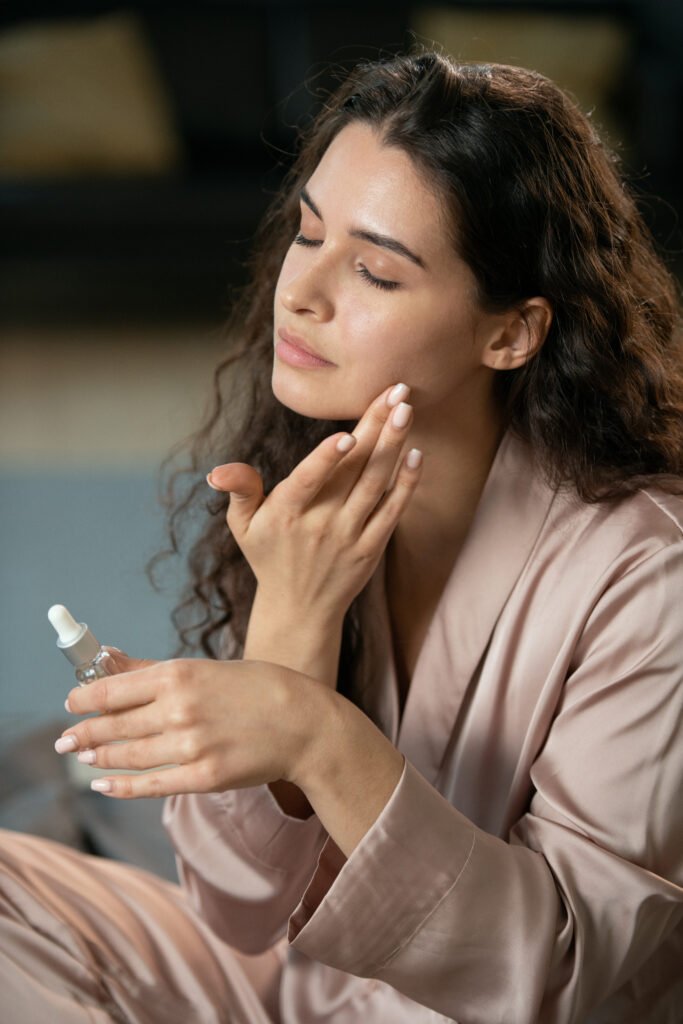
  • Gradual reduction in pigmentation intensity
  • More even skin tone over time
  • Improved skin resilience and barrier function
  • Reduced frequency of pigment flare-ups

Aftercare & Continuation

  • Strict sun protection guidance
  • Long-term skincare and maintenance plans
  • Regular reviews to monitor pigment stability
  • Adjustments based on seasonal or hormonal changes

Frequently Asked Questions

  • Can melasma be permanently cured?
    No. Melasma is a chronic condition that can be managed but not permanently cured.
  • Why does pigmentation come back?
    Triggers such as sun exposure or hormonal changes can reactivate pigment pathways.
  • How long does treatment take?
    Improvement is gradual and may take several months.
  • Is this suitable for all skin types?
    Yes, but treatment is carefully adapted to minimise risk.

Manage Pigmentation with Clinical Precision

Begin a structured, ethically guided approach to long-term pigment control.