
EYE BAGS (SURGICAL / NON-SURGICAL)

A clinically guided evaluation and treatment pathway for under-eye bags, focused on anatomical cause, safety, and appropriate intervention rather than cosmetic masking.

Overview

Earlobe changes such as elongation, splitting, or loss of shape may occur due to ageing, trauma, or prolonged jewellery use.

At Esmée, earlobe repair and reshaping may involve minor surgical correction and/or injectable structural support depending on tissue condition and desired outcome. Suitability is confirmed through assessment and safety screening.

Key Principles of Our Approach

  • Anatomical cause before cosmetic solution
  • Clear distinction between surgical and non-surgical suitability
  • Avoidance of inappropriate fillers in high-risk zones
  • Conservative intervention with defined boundaries
  • Long-term tissue health over short-term camouflage

Who This Service Is For

  • Individuals with visible under-eye puffiness or bulging
  • Patients seeking medical clarity on treatment options
  • Those considering surgical correction with proper assessment
  • Individuals exploring non-surgical options where appropriate

What Happens During the Treatment Process?

Comprehensive Under-Eye Evaluation

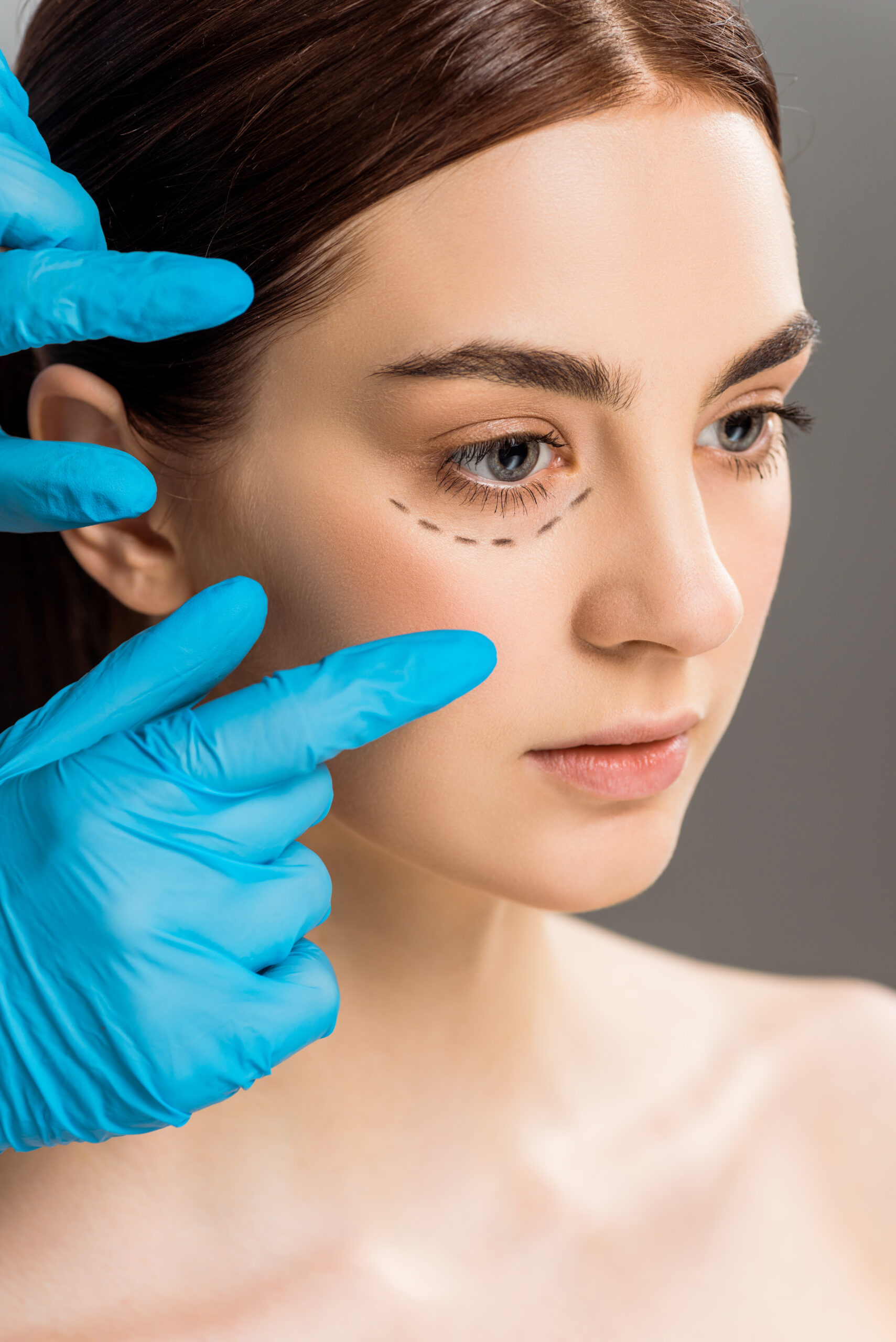
Based on findings, recommendations may include non-surgical management with supportive or energy-based modalities like radiofrequency, skin-quality strategies such as topicals or lasers, and lymphatic approaches for fluid-related bags—fillers are not routinely recommended. Surgical management involves referral for lower eyelid blepharoplasty, fat repositioning or removal when necessary, with structured pre- and post-operative guidance.

Treatment Pathway Selection

Based on findings, recommendations may include non-surgical management with supportive or energy-based modalities like radiofrequency, skin-quality strategies such as topicals or lasers, and lymphatic approaches for fluid-related bags—fillers are not routinely recommended. Surgical management involves referral for lower eyelid blepharoplasty, fat repositioning or removal when necessary, with structured pre- and post-operative guidance.

Procedure & Care

Non-surgical sessions for eye bags are performed conservatively under clinical protocols using energy-based or lymphatic modalities. Surgical cases follow strict assessment, consent, and recovery planning with specialist referral. Patient safety and informed decision-making are prioritised throughout.

Aftercare & Review

Post-treatment guidance includes expectations for temporary swelling and sensitivity, which typically resolve within days. Activity restrictions like avoiding rubbing the area and gentle skincare advice are provided, along with a follow-up assessment if required.

Causes of Eye Bags

Eye bags may be caused by herniation of under-eye fat pads, fluid retention or lymphatic congestion, skin laxity or thinning, muscle weakness or ageing changes, and genetic predisposition. Correct treatment depends entirely on the dominant cause.

Expected Outcomes

  • Reduction in under-eye bulging
  • Improved contour and eye-cheek transition
  • A more rested, balanced appearance
  • Long-term structural improvement (surgical cases)

Aftercare & Review

  • Swelling and sensitivity expectations
  • Activity and skincare advice
  • Follow-up assessment if required

Frequently Asked Questions

  • Can fillers fix eye bags?
    Generally no. Fillers may worsen true eye bags and are avoided unless specifically indicated.
  • Is surgery the only permanent solution?
    For fat-related eye bags, surgery is often the definitive option.
  • Is everyone suitable for surgery?
    No. Suitability depends on anatomy, health status, and expectations.
  • Is swelling expected?
    Temporary swelling is common and discussed during consultation.

Treat the Cause, Not Just the Appearance

Understand your options clearly before proceeding.