
Based on assessment, appropriate scar-management modalities are selected, treatments are staged to protect skin integrity, and combination approaches may be considered when beneficial. Downtime, risks, and recovery expectations are explained clearly. Plans are adjusted as skin response is observed.

Based on assessment, appropriate scar-management modalities are selected, treatments are staged to protect skin integrity, and combination approaches may be considered when beneficial. Downtime, risks, and recovery expectations are explained clearly. Plans are adjusted as skin response is observed.

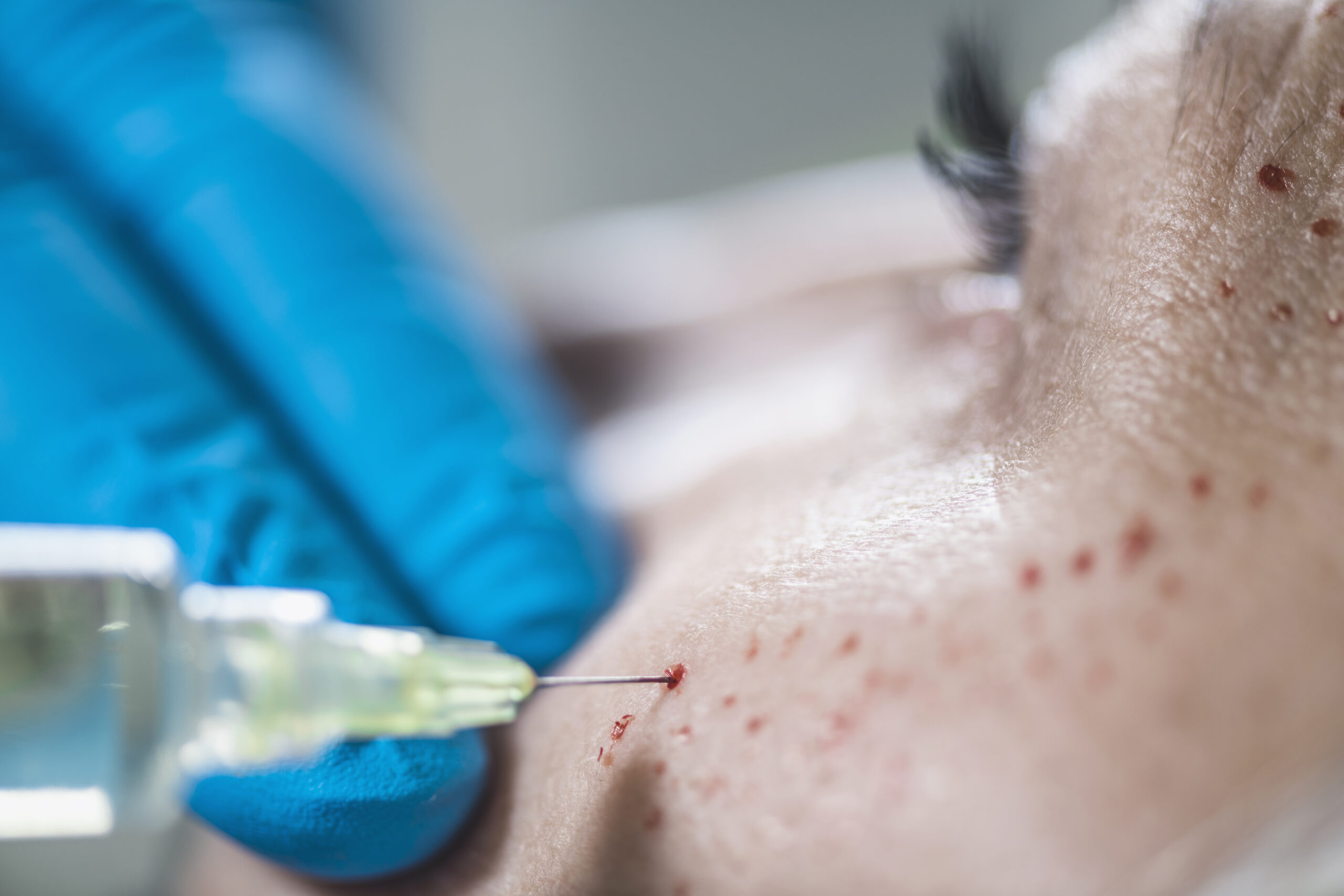
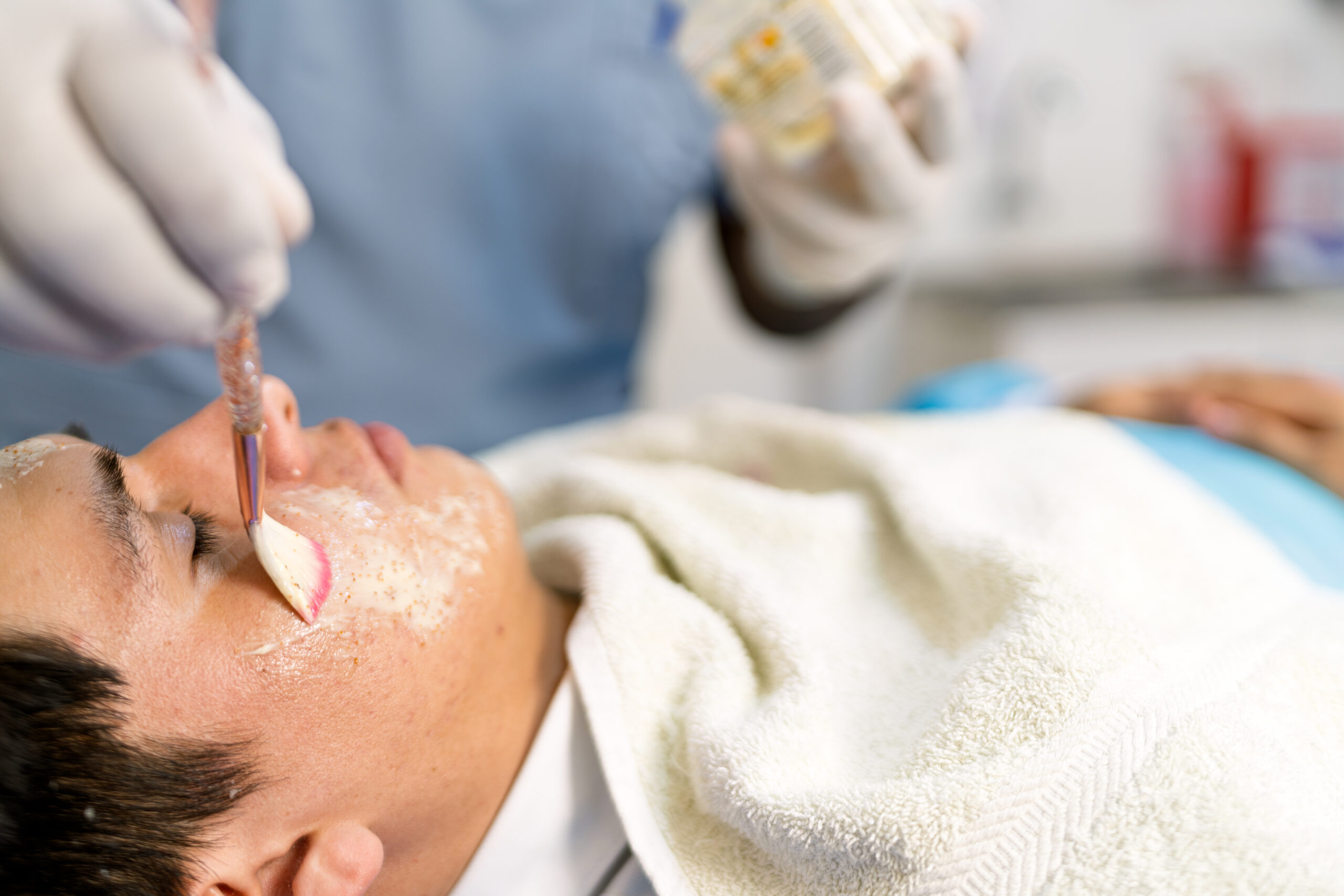
Depending on the plan, care may involve skin resurfacing or texture-improving techniques, collagen-stimulating interventions, pigmentation-balancing strategies where required, and medical-grade skincare guidance. All treatments follow conservative clinical protocols.

Aftercare includes barrier repair and calming skin routines, sun protection and pigment control guidance, and scheduled reviews to monitor progress. Adjustments are made based on healing and response. Healing timelines vary depending on treatment depth and skin type.

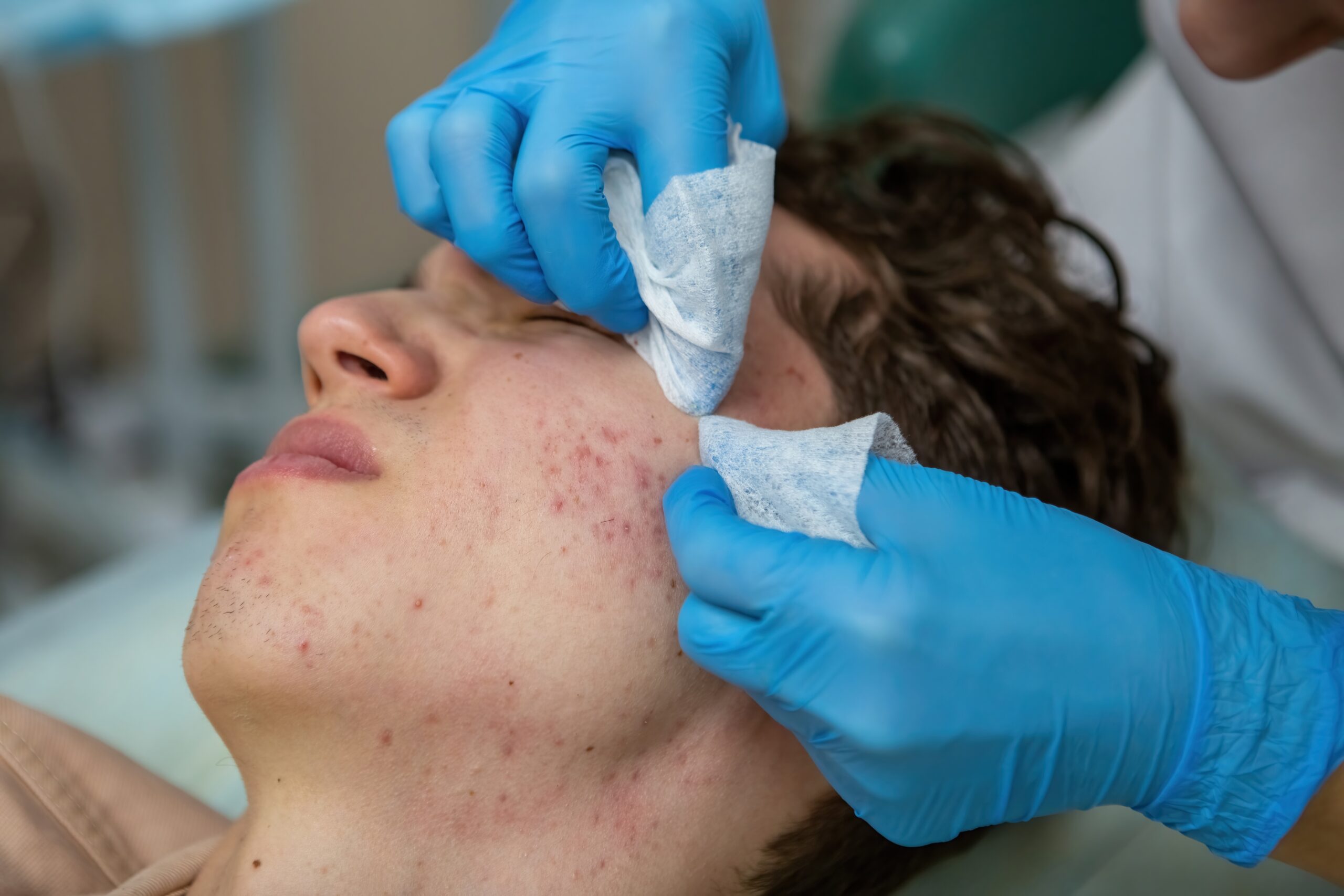
Facial scar management may be considered for acne-related scars (atrophic or textural), post-surgical facial scars, trauma or injury-related scars, post-inflammatory skin changes, and uneven skin texture following wounds. Each scar type is assessed individually, as different scars respond to different treatments.